
Shoulder Pain
Common causes of shoulder pain, including rotator cuff injuries, frozen shoulder and arthritis. Discover symptoms, diagnosis, treatment options and when to seek specialist assessment.
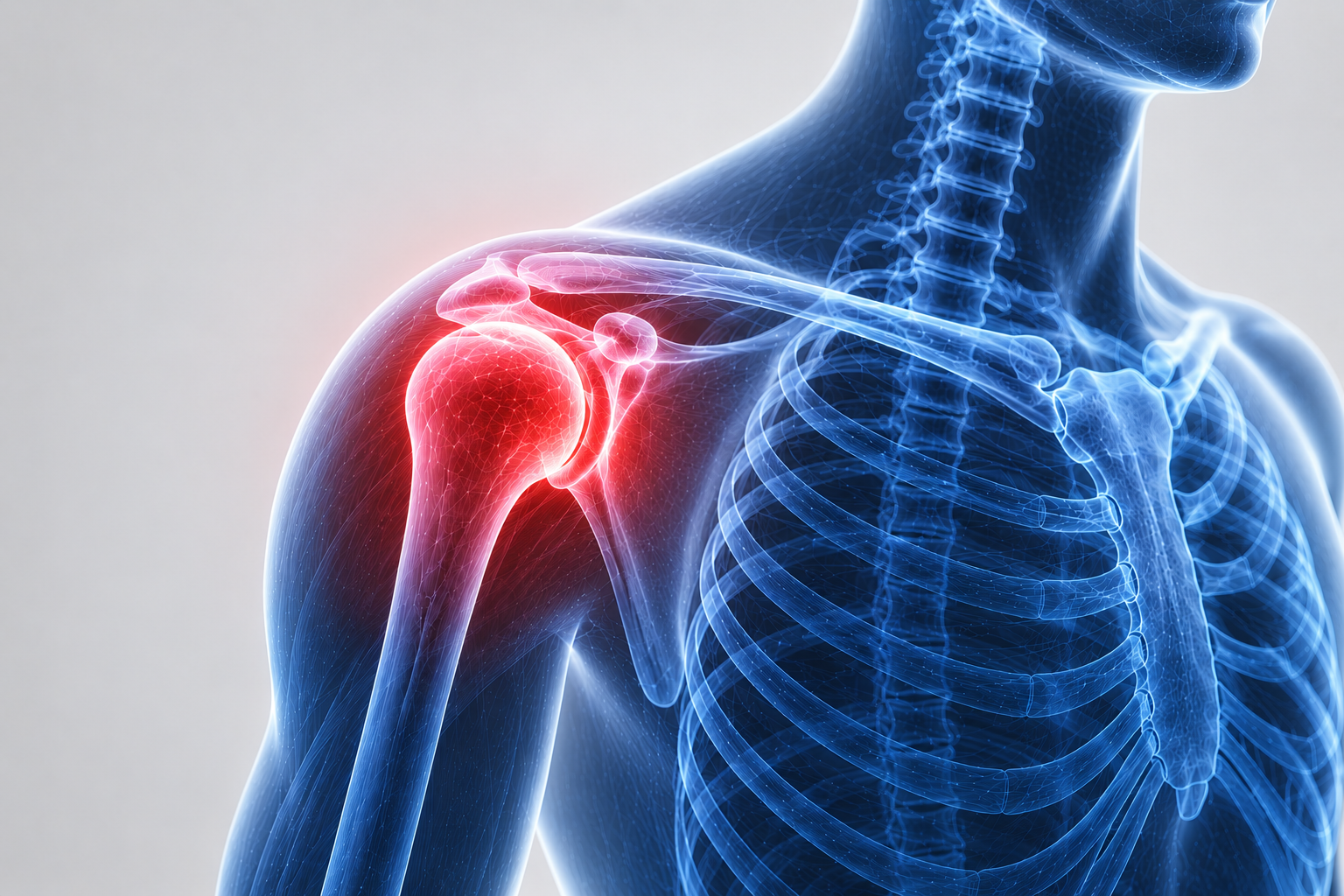
What is shoulder pain?
Shoulder pain is a symptom rather than a single diagnosis. It may arise from the rotator cuff tendons, the joint, the biceps tendon, the acromioclavicular joint, a previous injury or, less commonly, the neck or another medical condition. A clear diagnosis matters because conditions that feel similar may need different treatment.
Common causes and risk factors
• Rotator cuff-related pain or tendon tears
• Frozen shoulder or shoulder arthritis
• Shoulder instability or a previous dislocation
• AC joint pain, fracture or other injury
• Pain referred from the neck
Symptoms and signs
• Pain when reaching, lifting or dressing
• Night pain or difficulty lying on the affected side
• Stiffness, weakness, clicking or catching
• Reduced confidence using the arm
How is it diagnosed?
Assessment normally begins with a history and examination of the shoulder and neck. X-rays, ultrasound or MRI may be useful when there has been trauma, significant weakness, persistent symptoms or concern about a structural injury. Scans are not always required at the first appointment.
Treatment options
Initial care commonly includes advice, temporary changes to aggravating activity, suitable pain relief and a progressive exercise programme. Injections may be considered for selected diagnoses. Surgery is reserved for specific structural problems or symptoms that remain limiting despite appropriate non-surgical care.
When should I see a specialist?
Arrange an assessment if you have:
• Pain following a significant fall or accident
• Sudden inability to lift the arm
• Symptoms lasting more than 6-12 weeks despite self-care
• Progressive weakness, marked stiffness or recurrent instability
Frequently asked questions
Do I need a scan?
Not always. Many shoulder conditions can be diagnosed clinically. Imaging is more useful after trauma, with marked weakness, or when symptoms do not improve.
Should I rest the shoulder completely?
Usually no. Avoiding clearly aggravating activity can help, but gentle movement and graded exercise generally reduce stiffness and support recovery.
How long does recovery take?
This depends on the cause. Many tendon-related problems improve over 6-12 weeks, while frozen shoulder and recovery after surgery can take much longer.
What does the evidence say?
The evidence supports diagnosis-led care, continued safe movement, exercise-based rehabilitation and selective use of imaging, injections and referral.