
Rotator Cuff Disease and Tears
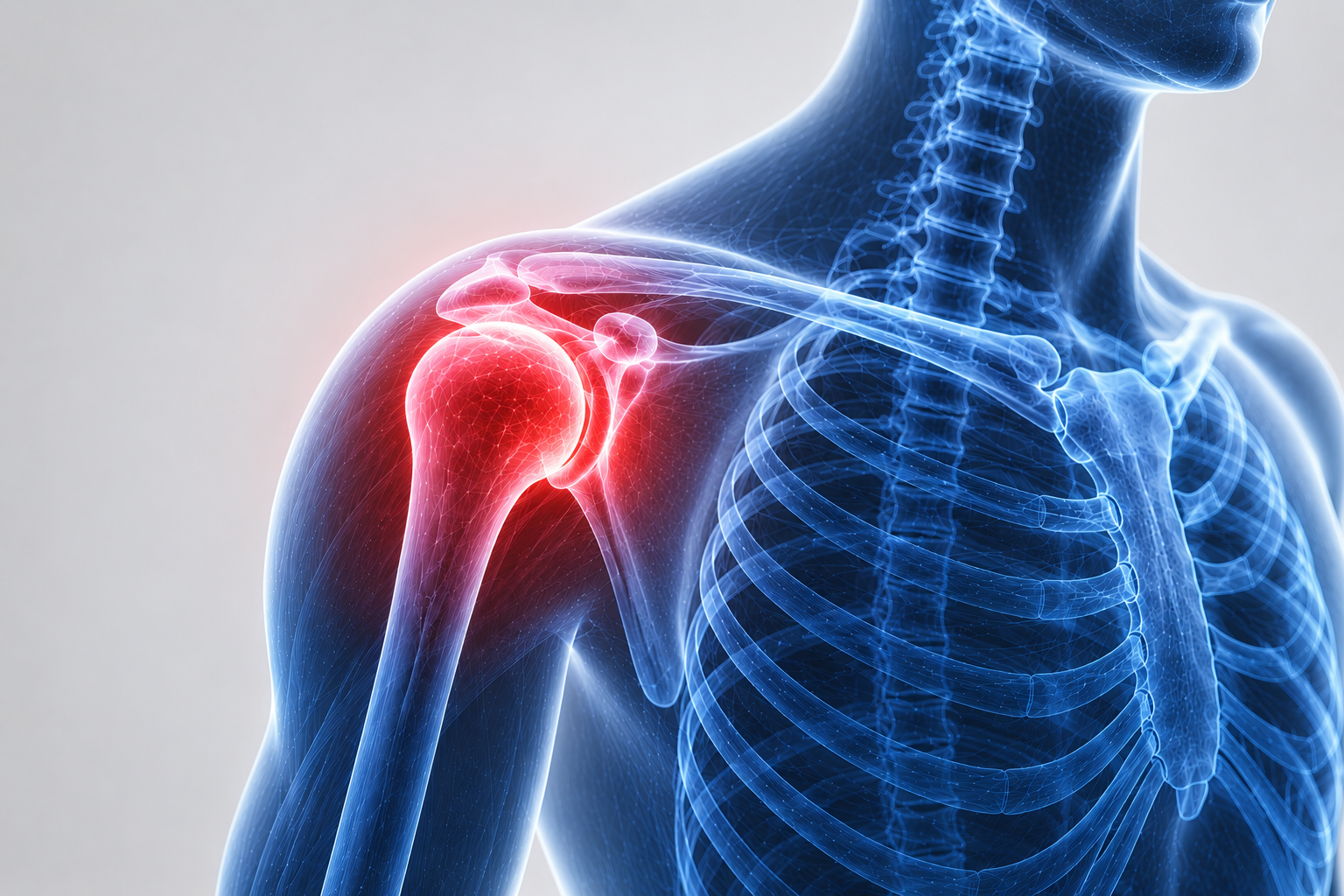
The rotator cuff is a group of four tendons that stabilise the shoulder and help lift and rotate the arm. A tear may involve part of a tendon or its full thickness. Some tears develop gradually and cause little difficulty, while others follow an injury and produce sudden pain and weakness.
Common causes and risk factors
• Age-related tendon wear
• A fall, dislocation or sudden pulling injury
• Repetitive overhead work or sport
• Smoking, diabetes and other factors that affect tendon health
Symptoms and signs
• Pain over the side of the shoulder
• Night pain
• Weakness lifting or rotating the arm
• Difficulty with dressing, reaching or work
• Sudden loss of function after trauma
How is it diagnosed?
Examination assesses strength and movement. X-rays show the bones and arthritis; ultrasound or MRI can show the tendons. The scan result is considered alongside symptoms because rotator cuff tears become increasingly common with age and may be painless.
Treatment options
Many degenerative tears improve with physiotherapy, activity modification and pain management. Surgery may be discussed for an acute traumatic tear, substantial weakness, a large or progressing tear, or continuing symptoms despite rehabilitation. Repair is usually performed using keyhole surgery, followed by a sling and several months of rehabilitation.
When should I see a specialist?
Arrange an assessment if you have:
• Sudden weakness after a fall or injury
• Inability to raise the arm
• Persistent pain and weakness despite physiotherapy
• A known tear with worsening function
Frequently asked questions
Can a tear heal without surgery?
A full-thickness tear will not heal by itself, but pain and function can still improve greatly through rehabilitation.
Does every tear need repair?
No. Treatment depends on symptoms, strength, tear type, age, health and activity goals.
How long is recovery after repair?
Tendon healing takes months. A sling may be used for several weeks, with gradual strengthening and recovery often continuing for 6-12 months.
What does the evidence say?
The AAOS 2025 rotator cuff guideline supports both physiotherapy and surgical repair in appropriate patients, with decisions tailored to tear characteristics and patient goals.
Appointments
Request a consultation
Send us a few details and Mr Imam's secretary will be in touch to arrange a consultation at a time and location that suits you.
Thank you, your request has been sent
Mr Imam's secretary will reply to you by email to arrange your consultation.