
Clavicle Fractures, Malunion and Nonunion
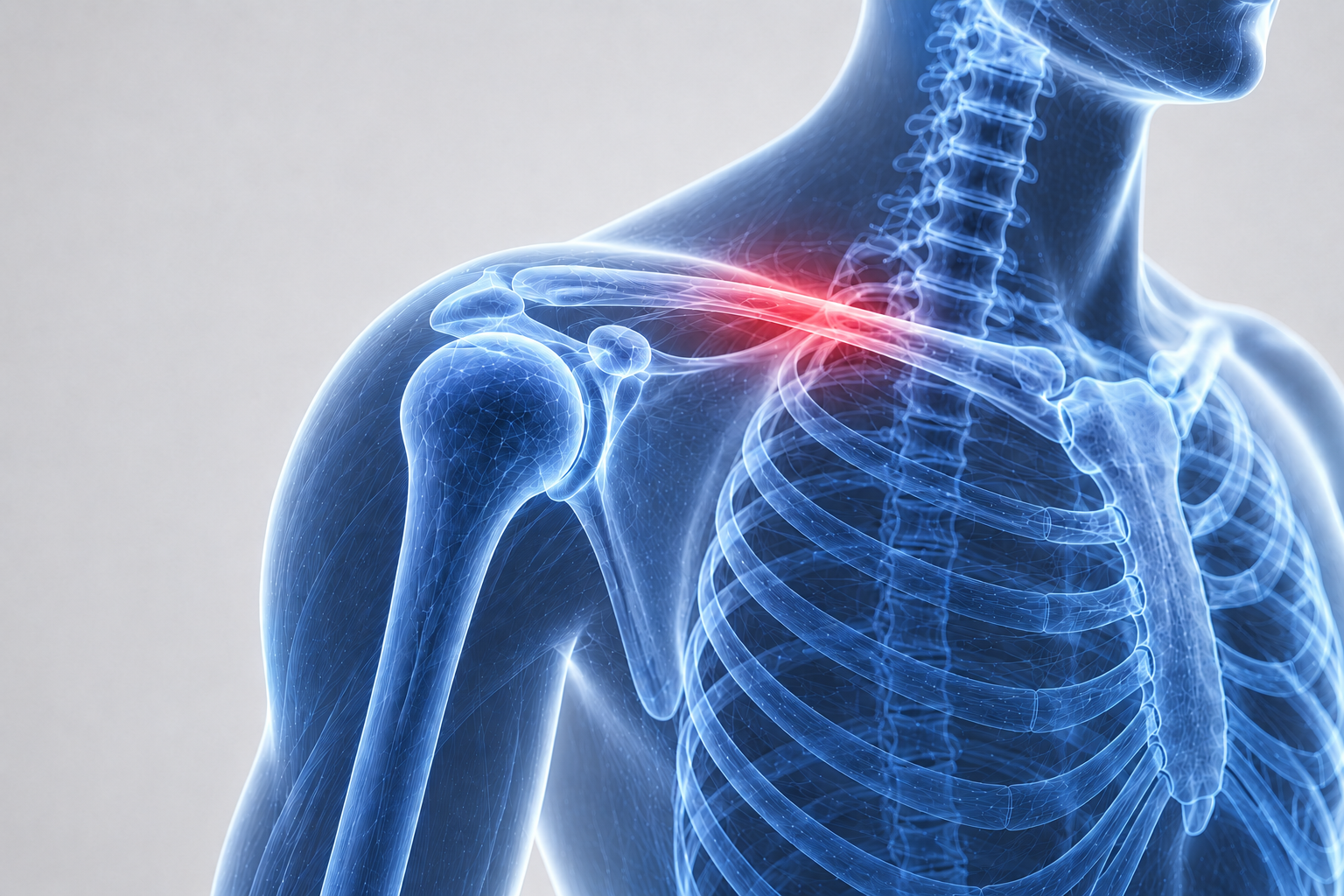
A clavicle fracture is a break in the collarbone, usually after a fall onto the shoulder. Most heal, but some heal in a shortened or altered position (malunion), while others fail to unite (nonunion). These complications matter mainly when they cause pain, weakness or loss of function.
Common causes and risk factors
• Falls, cycling and contact sport
• Road traffic or high-energy injury
• Significant fracture displacement or shortening
• Smoking and other factors that reduce bone healing
Symptoms and signs
• Pain, swelling and bruising
• A bump or deformity
• Difficulty lifting the arm
• Ongoing pain or movement at the fracture months later
How is it diagnosed?
X-rays show the fracture position and progress of healing. CT may be used when union is uncertain or surgery is being planned. Assessment also considers skin condition, nerves, circulation and shoulder function.
Treatment options
Many fractures are treated with a sling, pain relief and rehabilitation. Surgery may be recommended for open fractures, threatened skin, neurovascular injury or selected markedly displaced fractures. Painful nonunion or symptomatic malunion may be treated by realignment surgery with fixation using plates and screws, sometimes with bone graft.
When should I see a specialist?
Arrange an assessment if you have:
• Skin tenting, an open wound or altered circulation
• Numbness or weakness
• Severe displacement or shortening
• Persistent pain beyond the expected healing period
Frequently asked questions
Will the bump disappear?
It often becomes less noticeable but may not disappear completely.
Does every displaced fracture need surgery?
No. Benefits and risks depend on displacement, symptoms, age, activity and personal priorities.
How is nonunion treated?
Symptomatic nonunion is commonly treated with fixation and sometimes bone graft to encourage healing.
What does the evidence say?
The evidence supports shared decision-making as although surgery can improve union rates in selected displaced fractures, it also carries risks such as infection, numbness and implant irritation.
Appointments
Request a consultation
Send us a few details and Mr Imam's secretary will be in touch to arrange a consultation at a time and location that suits you.
Thank you, your request has been sent
Mr Imam's secretary will reply to you by email to arrange your consultation.