
Clinical Exercise: Preventing Frailty
What is it?
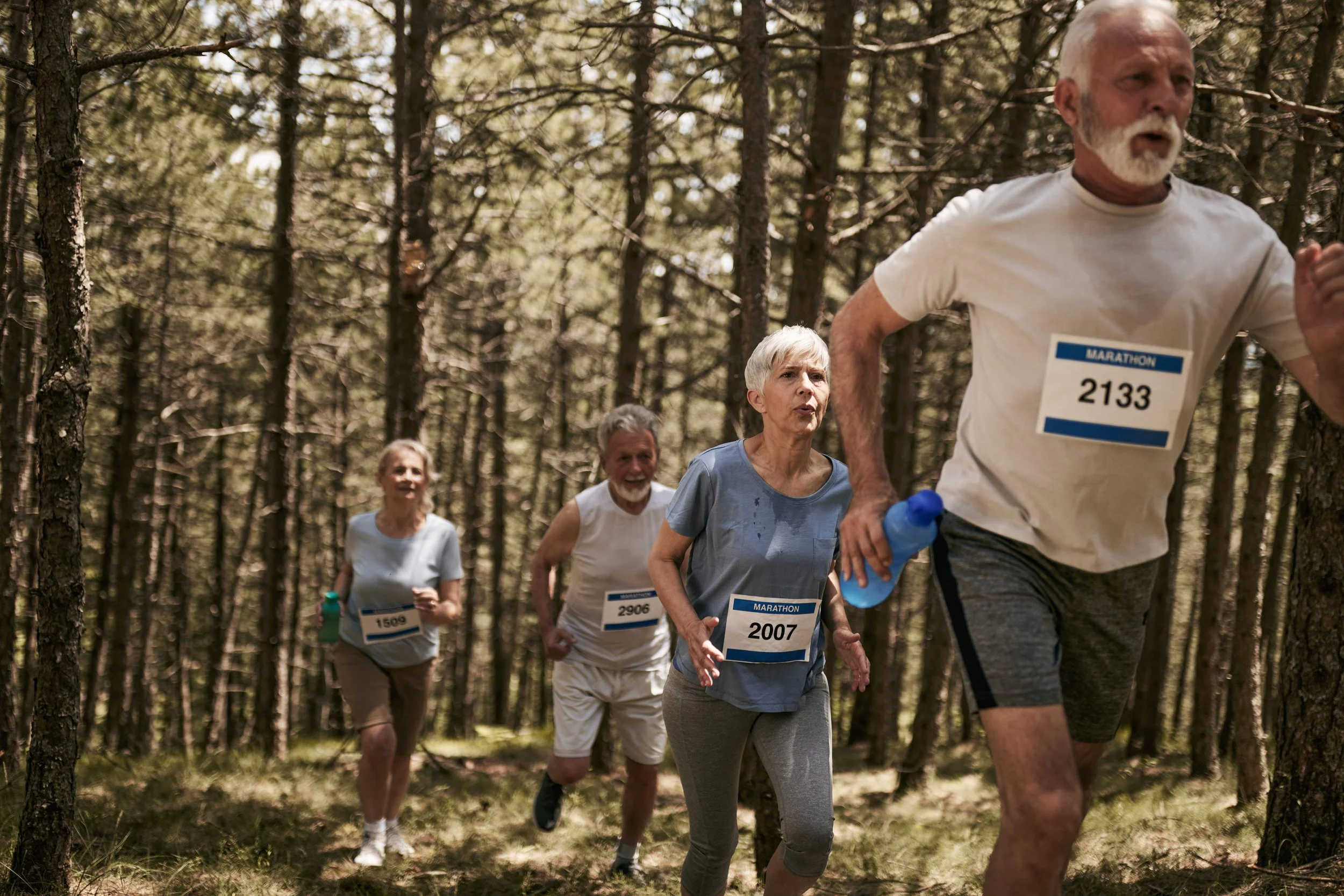
Frailty is reduced physical resilience and is not an inevitable part of ageing.
Treatment & Prevention
Strength training, balance work, walking and adequate protein can help prevent or improve frailty.
When should I seek advice?
Seek professional advice if you have concerns about exercising safely.
FAQs
• Is it too late to start? No—people of almost any age can benefit from appropriate exercise.
• Do I need a gym? No, many exercises can be done at home.
• How quickly will I improve? Many people notice benefits within 6–12 weeks.
Evidence
Combined strength and balance programmes reduce falls and improve function. Recommendations are consistent with WHO physical activity guidance and geriatric exercise research.
Clinical Exercise: Sarcopenia
What is it?
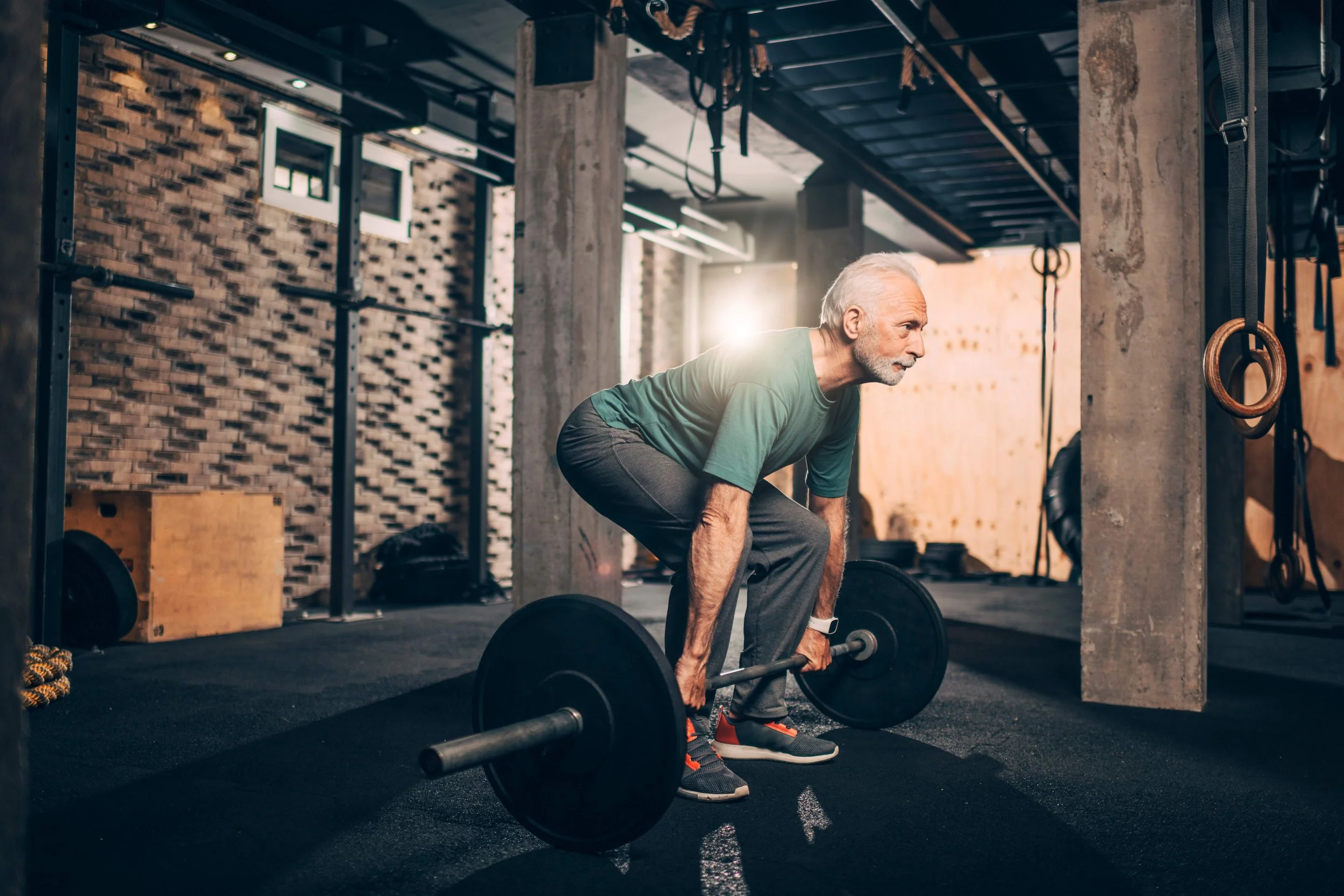
Sarcopenia is age-related loss of muscle mass and strength.
Treatment & Prevention
Resistance exercise and adequate protein are the main treatments.
When should I seek advice?
Seek professional advice if you have concerns about exercising safely.
FAQs
• Is it too late to start? No—people of almost any age can benefit from appropriate exercise.
• Do I need a gym? No, many exercises can be done at home.
• How quickly will I improve? Many people notice benefits within 6–12 weeks.
Evidence
Progressive resistance training is the cornerstone of treatment. Recommendations are consistent with WHO physical activity guidance and geriatric exercise research.
Clinical Exercise: Strength Training
What is it?
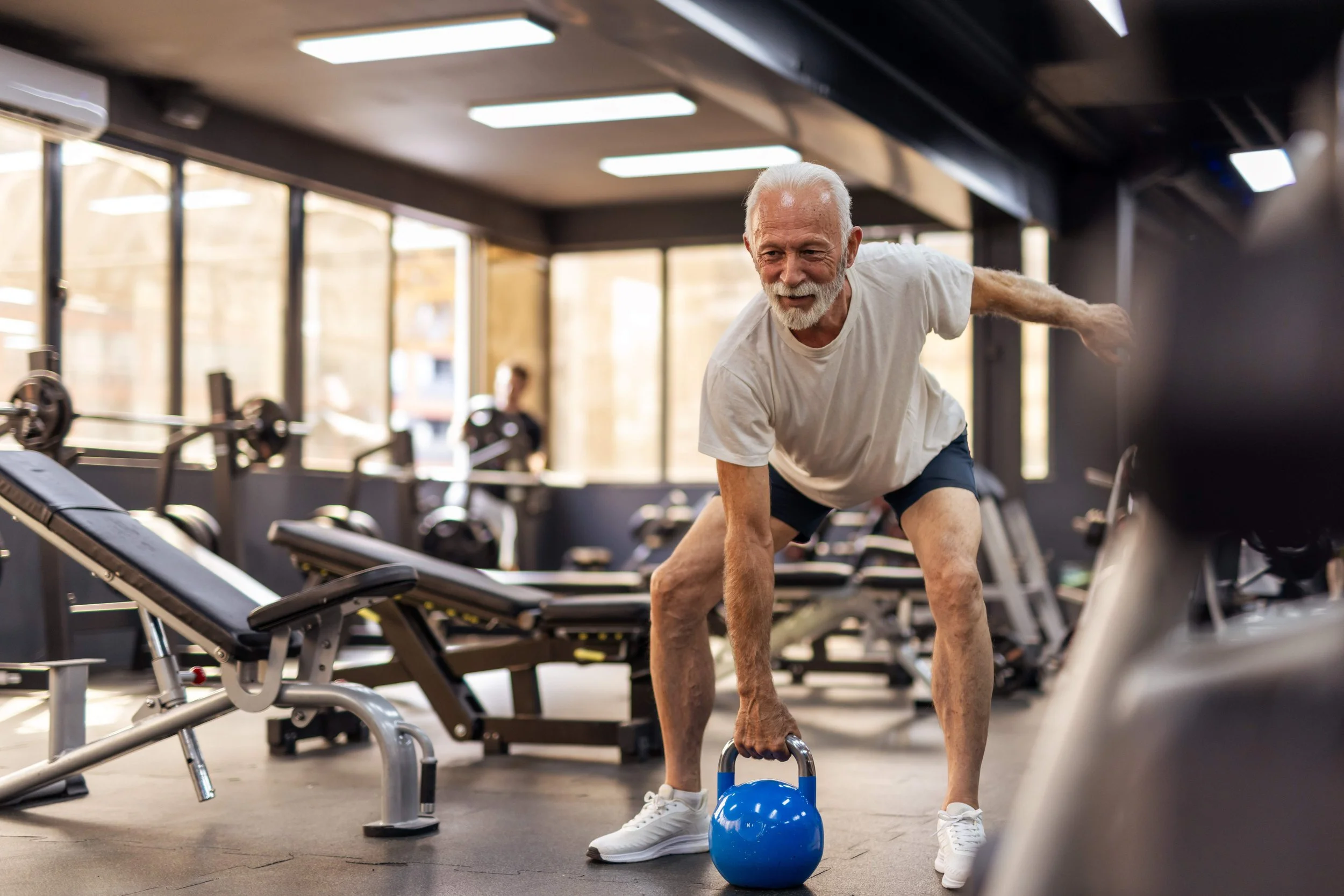
Strength training preserves muscle, bone and independence.
Treatment & Prevention
Train all major muscle groups at least twice weekly and progress gradually.
When should I seek advice?
Seek professional advice if you have concerns about exercising safely.
FAQs
• Is it too late to start? No—people of almost any age can benefit from appropriate exercise.
• Do I need a gym? No, many exercises can be done at home.
• How quickly will I improve? Many people notice benefits within 6–12 weeks.
Evidence
Improves strength, function and metabolic health. Recommendations are consistent with WHO physical activity guidance and geriatric exercise research.
Clinical Exercise: Balance Training & Falls Prevention
What is it?
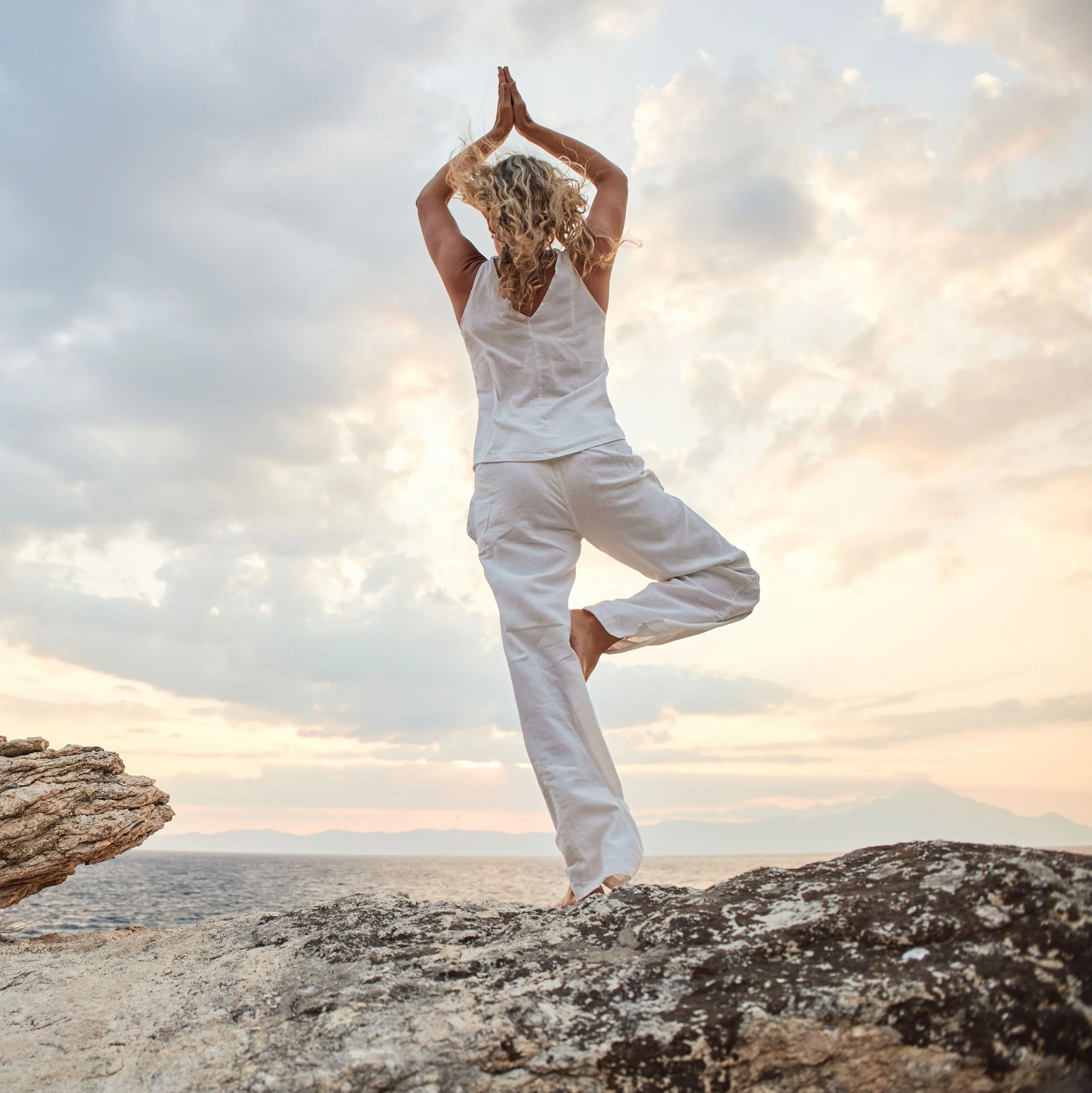
Balance exercises reduce the risk of falls and improve confidence.
Treatment & Prevention
Tai Chi, single-leg balance, lower limb strengthening and home safety measures are effective.
When should I seek advice?
Seek professional advice if you have concerns about exercising safely.
FAQs
• Is it too late to start? No—people of almost any age can benefit from appropriate exercise.
• Do I need a gym? No, many exercises can be done at home.
• How quickly will I improve? Many people notice benefits within 6–12 weeks.
Evidence
Structured programmes reduce falls in older adults. Recommendations are consistent with WHO physical activity guidance and geriatric exercise research.