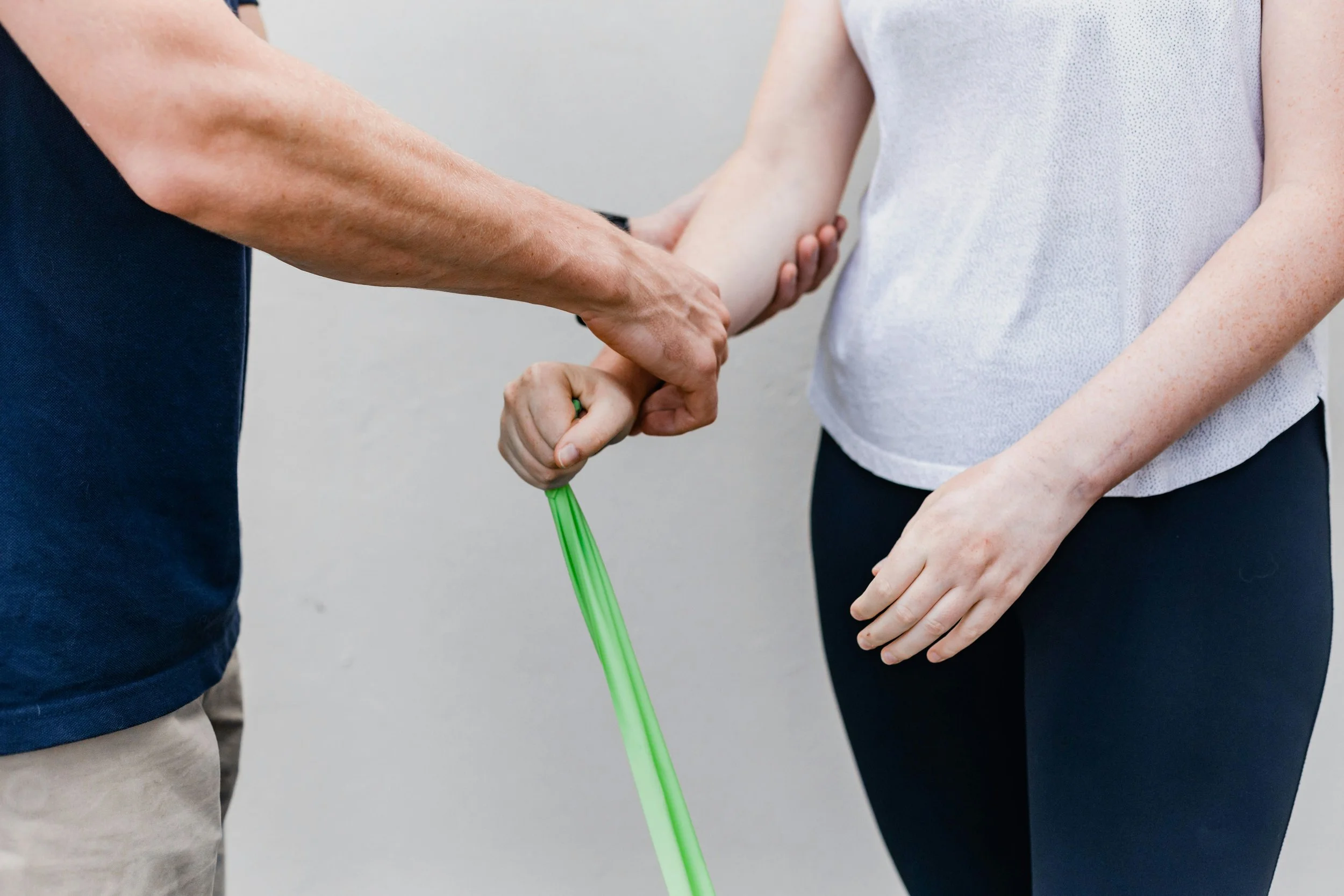
Clinical Exercise: Using Movement as Medicine

What is clinical exercise?
Clinical exercise is the evidence based use of physical activity to improve health, manage symptoms and reduce future health risks. It is more than simply being told to “exercise more”. A clinical programme considers your medical history, current ability, symptoms, medicines, confidence and personal goals. The exercises are then selected, taught and progressed in a way that is realistic and safe.
Who can benefit?
• People returning to activity after illness, injury or surgery
• Adults who want to remain strong and independent as they age
• People living with arthritis, osteoporosis, diabetes or heart disease
Conditions commonly supported by exercise
• Osteoporosis
• Frailty, reduced mobility and fall risk
• Osteoarthritis and persistent musculoskeletal pain
• High blood pressure and stable cardiovascular disease
• Obesity
• Type 2 diabetes
• Recovery before and after surgery
What exercise cannot do
Exercise is powerful but should not be presented as a cure-all. It cannot replace urgent treatment for serious illness, repair every structural injury or guarantee a longer life. It works best as part of a wider plan that may include medication, nutrition, sleep, psychological support and medical or surgical care.
Exercise is not one-size-fits-all
The best exercise for arthritis may focus on strength and function, while a programme for diabetes may place greater emphasis on regular aerobic and resistance activity. Someone with osteoporosis may need weight-bearing and strengthening exercise while avoiding movements that are unsuitable for their fracture risk. The plan should be tailored rather than copied from a generic list.
Safety and personalisation
Most people can become more active safely, but the programme should match the person. Sudden chest pain, fainting, severe breathlessness, new neurological symptoms or an acute injury require medical assessment. People with unstable medical conditions, recent surgery or complex health needs should obtain individual advice before increasing exercise intensity.